
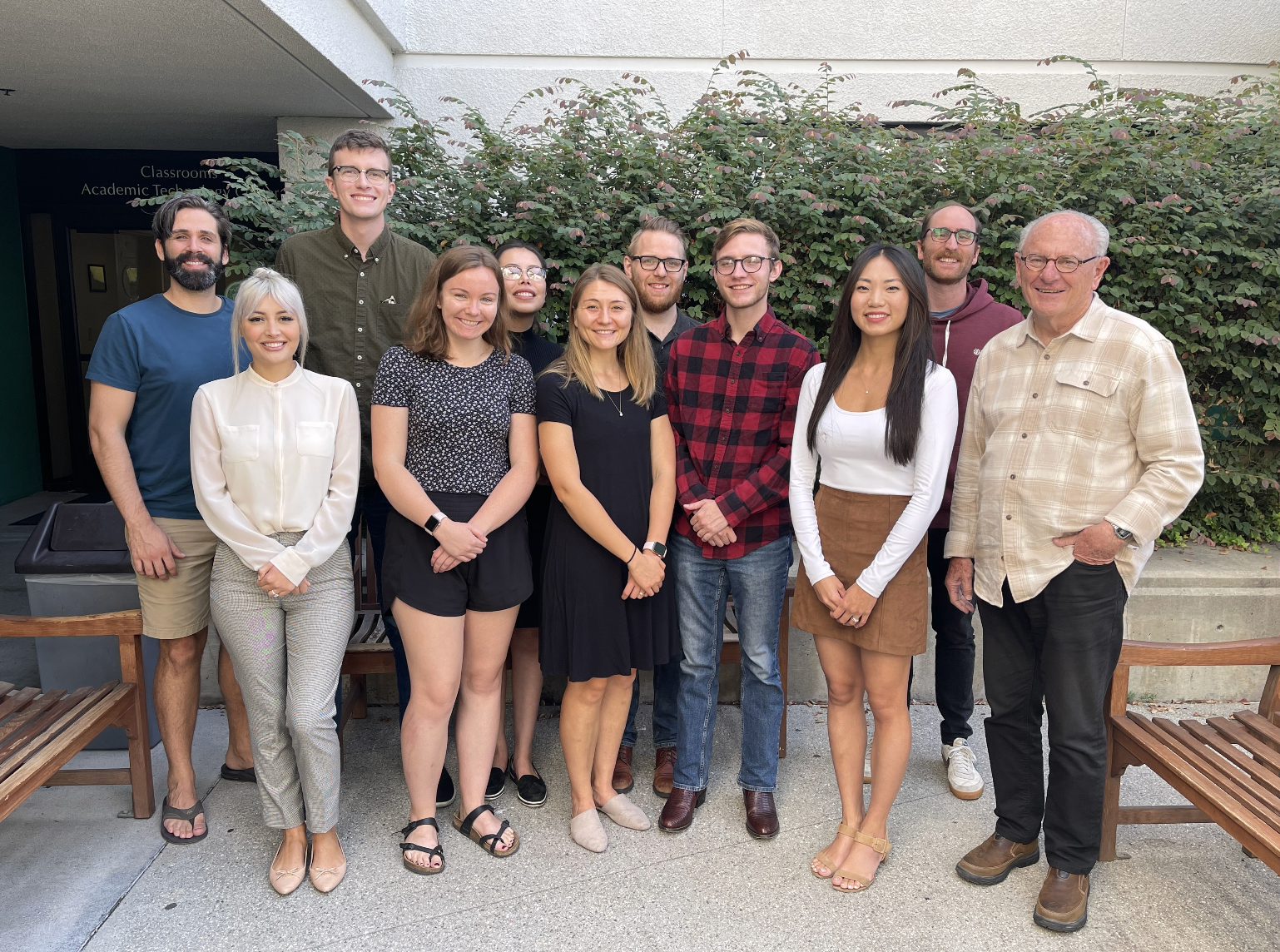
Human Brain & Cognition
Office
Psychology Building 325
Fuller Theological Seminary
180 N Oakland Ave
Pasadena, CA 91101
External Collaborative Organizations
California Institute of Technology
International Research Consortium on the Corpus Callosum and Cerebral Connectivity (IRC5)
Pediatric Epilepsy Surgery Alliance
National Organization of Disorders of the Corpus Callosum
MISSION
The Human Brain and Cognition Laboratory (HBCL) studies the cognitive and psychosocial impact of congenital and acquired disruption of brain connectivity and interactivity in disorders such as agenesis of the corpus callosum and hemispherectomy. A wide range of cognitive and social abilities are studied in persons with these disorders. Through comprehensive assessment of mental and social skills, our research is providing patients, families, and physicians with critical information about the consequences of hemispheric disconnection and hemispherectomy, which can inform efforts toward remediation and intervention.
Research and Publications on Agenesis of the Corpus Callosum - Podcast Series
Here you will find audio summaries of published articles generated using Google Notebook AI Podcast Generator in hopes that, by presenting the material in a more accessible format, the research might better serve families affected by Agenesis of the Corpus Collosum.
PROJECT
AGENESIS OF THE CORPUS CALLOSUM
COGNITIVE AND PSYCHOSOCIAL DEFICITS
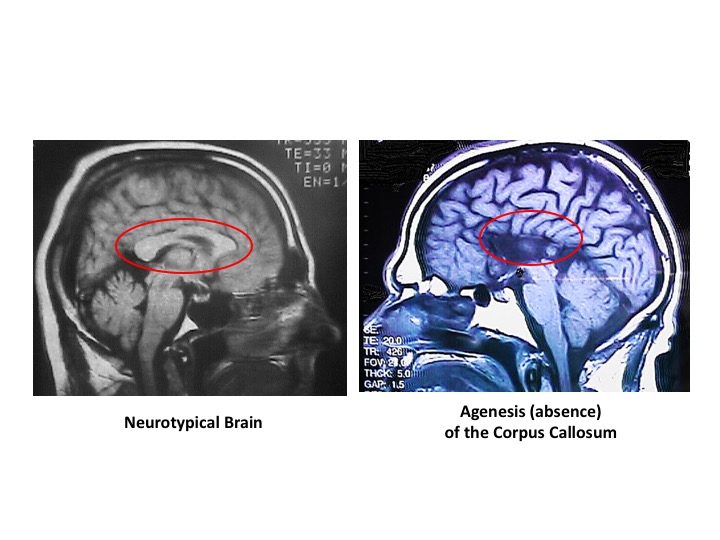
What is agenesis of the corpus callosum (ACC):
ACC involves congenital absence of all or part of the corpus callosum – the large connective pathway between the right and left hemispheres of the brain.
Neuropsychological Research on ACC:
Because the disorder can only be firmly diagnosed by neuroimaging, it has a short research history. Over the past 20+ years research by the members of the Human Brain and Cognition Lab have played a major role in understanding the consequences of this disorder for cognitive and social functioning.
How does ACC affect a person?
As a result of this large ongoing research project we have found that the basic syndrome involves (1) Reduced interhemispheric transfer of sensory-motor information; (2) Reduced cognitive processing speed; (3) Deficits in complex reasoning and novel problem-solving. We have also found that these core deficits are expressed as mild to moderate deficiencies across many domains of cognitive, behavioral, and social functioning.
Participation:
Interested in participating in research on Agenesis of the Corpus Callosum? Send an email to [email protected] and let us know you would like to participate!
SELECTED PUBLICATIONS
1. Brown, W. S., Hoard, M., Birath, B., Graves, M., Nolty, A., & Paul, L. K. (2024). Imaginative elaboration in agenesis of the corpus callosum: topic modeling and perplexity. Journal of the International Neuropsychological Society, 1-8.
2. Su, J. J., Paul, L. K., Graves, M., Turner, J. M., & Brown, W. S. (2023). Verbal problem-solving in agenesis of the corpus callosum: Analysis using semantic similarity. Neuropsychology, 37(5), 615.
3. Brown, W. S., Burnett, K. A., Vaillancourt, A., & Paul, L. K. (2021). Appreciation of social norms in agenesis of the corpus callosum. Archives of Clinical Neuropsychology, 36(7), 1367-1373.
4. Mangum, R. W., Miller, J. S., Brown, W. S., Nolty, A. A., & Paul, L. K. (2021). Everyday executive function and self-awareness in agenesis of the corpus callosum. Journal of the International Neuropsychological Society, 27(10), 1037-1047.
5. Paul, L. K., Pazienza, S. R., & Brown, W. S. (2021). Alexithymia and somatization in agenesis of the corpus callosum. Social cognitive and affective neuroscience, 16(10), 1071-1078.
6. Renteria-Vazquez, T., Brown, W. S., Kang, C., Graves, M., Castelli, F., & Paul, L. K. (2021). Social inferences in agenesis of the corpus callosum and autism: Semantic analysis and topic modeling. Journal of Autism and Developmental Disorders, 1-15.
PROJECT
CHILDHOOD HEMISPHERECTOMY
ADULT COGNITIVE AND PSYCHOSOCIAL DEFICITS FROM
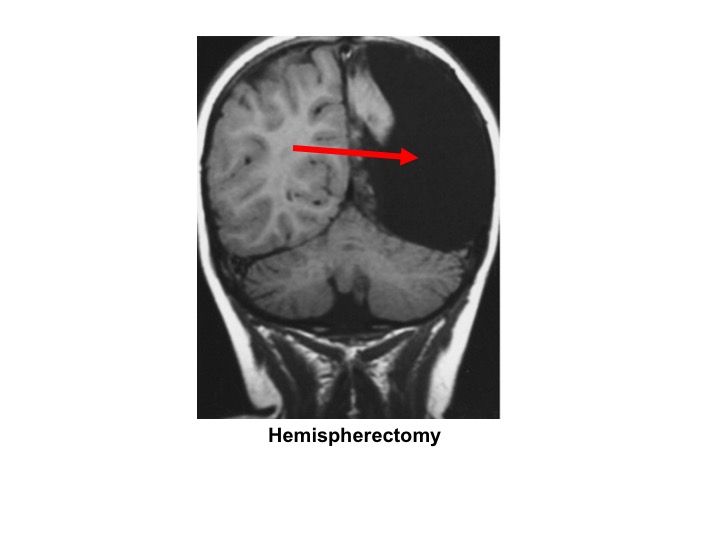
What is hemispherectomy?
Hemispherectomy involves surgical removal of an entire cerebral hemisphere of the brain. This procedure is typically done in children as a last-resort treatment for intractable seizures. “Hemispherectomy” is a term representing a broad category of surgical procedures by disconnecting the cerebral hemispheres.
What are the long-term outcomes of Hemispherectomy?
Despite the fact that this surgical procedure has been used as a treatment for epilepsy in children since the 1980s, there is very little published research on the long-term impact of this treatment on the neuropsychological functioning of these children when they reach adulthood. Thus, there is little information on the long-term outcome of hemispherectomy when seizures are reasonably well controlled by the surgery.
Neuropsychological Research on Hemispherectomy:
For the past several years the HBCL has been studying the long-term neuropsychological and psychosocial functioning of adults who had childhood hemispherectomy. While these studies are still underway, it is clear that what is being discovered will help inform patients, families, and physicians about the outcome of the treatment. There are also important general scientific questions about brain function and intelligence to be investigated by comparing the outcomes of ACC and hemispherectomy.
SELECTED PRESENTATIONS
1. Spezzaferri M. R., Brown, W. S., Paul, L. K. (2022). Childhood hemispherectomy impacts social cognitive perception and judgment in adulthood. Poster presentation at the International Neuropsychological Society (INS), New Orleans, Louisiana.
2. Krista J. Cowan, Lynn K. Paul, Warren S.Brown “Emotional Functioning in Adults following Childhood Right and Left Hemispherectomy” International Neuropsychological Society, Denver, February 2020.
3. Judy J. Su, Mark Graves, Lynn K. Paul, Warren S. Brown. “Using Semantic Similarity to Analyze Strategy Formation in Individuals with Agenesis of the Corpus Callosum.” International Neuropsychological Society, Denver, February 2020.
4. Katelyn Mukai, Lynn K. Paul, & Warren S. Brown, “Objective Performance and Self-Report of Executive Functioning Following Childhood Hemispherectomy.” International Neuropsychological Society, Denver, February 2020.
5. Krista J. Cowan, Cory E. Kowalski, Kristina Moncrieffe, Amanda Panos, Lynn Paul, & Warren S. Brown, “Emotional Functioning Following Childhood Hemispherectomy.” Meeting of the American Psychological Society, Washington D.C., May 2019.
6. Mitchell Spezzaferri, Cory E. Kowalski, Kristina Moncrieffe, Amanda Panos, Lynn Paul, & Warren S. Brown, “Social Cognition in Individuals with Hemispherectomy.” Meeting of the American Psychological Society, Washington D.C., May 2019.
PEOPLE
Faculty
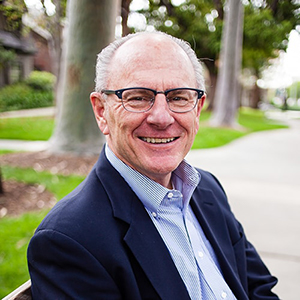
Warren Brown
Professor of Psychology
BA, POINT LOMA NAZARENE UNIVERSITY
MA, PHD, UNIVERSITY OF SOUTHERN CALIFORNIA
POSTDOCTORAL SCHOLAR, UCLA BRAIN RESEARCH INSTITUTE
External Collaborator
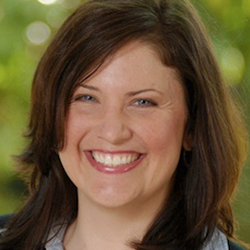
Lynn K. Paul
Senior Research Scientist and Director, Caltech Psychological Assessment for Research Lab
Students
Enya Valentin, PhD, 2026
Jasmine Legault, PhD, 2026
Nathan LeFebre, PhD, 2026
Edita Shahnazarian, PhD, 2026
Kaitlyn Bennett, PhD, 2027
Kameron Rigg, PhD, 2027
Ivana Ecklund, PhD, 2028
Allison Nobles, PhD, 2028
Connor Stephenson, PhD, 2028
Recent Graduates
Matthew Hoard, PhD, 2025
Krista Cowan, PhD, 2024
Doori Jeong, PhD, 2024
Mitchell Spezzaferri, PhD, 2024
Matthew Wallace, PhD, 2024
Katie Mukai, PhD, 2022
Ashley Vaillancourt, PhD, 2021
Cory Kowalski, PhD, 2020
Kristina Moncrieffe, PsyD, 2020
Tiffany Renteria-Vazquez, PhD, 2019
Judy Su, PhD, 2019
David Fly, PhD, 2018
Skylar Hanna, PhD, 2018
Amanda Panos, PhD, 2018
External Collaborative Organizations (External Links)
International Research Consortium on the Corpus Callosum and Cerebral Connectivity (IRC5)
An international consortium of researchers investigating disorders of the corpus callosum, as well as questions more generally related to interconnectivity in the cerebral cortex of humans and animals. Drs. Brown and Paul were founding board members.
Pediatric Epilepsy Surgery Alliance
An organization focused on understanding and improving the outcomes of hemispherectomy and the surgical treatments of epilepsy. Dr. Monika Jones of this organization has been directly involved in initiating and supporting the research of the HBCL on the outcomes of hemispherectomy.
CalTech Emotion and Cognition Lab
The primary lab of Dr. Lynn Paul and location for conduction of a part of the research on ACC and hemispherectomy, particularly work involving functional MRI.
National Organization for Disorders of the Corpus Callosum
The mission of this organization is to support individuals with ACC and their families. Members of the HBCL are significantly involved in the biannual meetings of NODCC. Drs. Brown and Paul were founding board members.

Contact Us
phone: 626.584.5544
email: [email protected]
Staff
Nicole DeCamp
Research and Grant Administrator
[email protected]
Address
180 N Oakland Ave
Pasadena, CA 91101